
Ask a room full of people what a “side hustle” looks like and you’ll get the same handful of answers: drive for a rideshare app, freelance on the weekends, flip stuff on eBay. Safe, familiar, crowded.
Then there’s the corner of the internet where people sell photos of their feet – and quietly make more than the rideshare drivers.
It sounds like a punchline. It isn’t. Feet pics have become one of the clearest examples of what the creator economy actually promised: you don’t need a million followers or a business plan. You need a niche, a few hundred people who care about it, and a way to get paid.
Small audience, real money
The old model of making money online was volume. Go viral, sell ads, pray the algorithm likes you next month. That model still exists, but it’s a lottery.
The new model is the opposite. Find something a small group of people want badly enough to pay for, and serve them well. Newsletters do it. Patreon does it. Foot content does it – arguably better, because demand is steady, the audience is loyal, and almost nobody talks about it out loud, which keeps competition lower than you’d expect.
Some sellers treat it as beer money. Others run it like a proper business with returning customers, subscription tiers and a content calendar. Both are legitimate outcomes. The difference is how seriously you take it.
What it actually takes
Here’s the part the “I made $10k in a month” TikToks leave out.
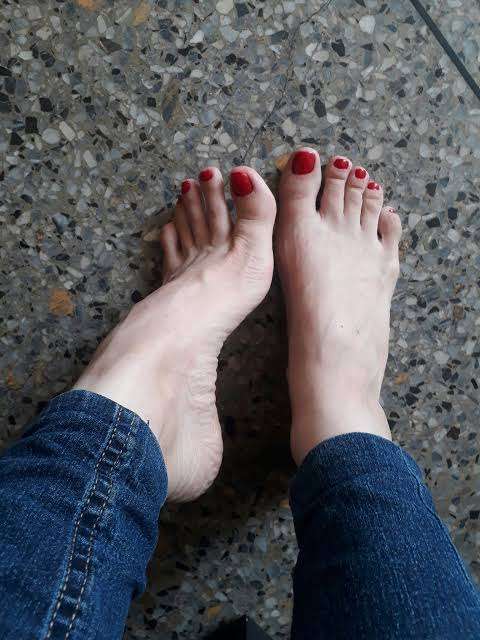
If you want to sell feet pics, the mechanics are simple: take photos or short videos, set up a profile, price your content, sell it. Anyone can do that in an afternoon.
What separates the people who earn from the people who quit after two weeks is everything around the photos:
- Presentation. Lighting, angles, clean backgrounds. Good content sells itself; sloppy content sells nothing.
- Consistency. Buyers come back to sellers who post regularly. A profile that goes quiet for a month is a profile people forget.
- Communication. Reply fast, be polite, deliver what you promised. Most of the money in this niche is repeat business, and repeat business is built on trust.
- Knowing your buyers. Themes, styles, formats – the people who pay attention to what sells and adjust are the ones still doing this a year later.
“Easy money” is the wrong frame. “Low barrier to entry, high reward for effort” is the right one.
Why marketplaces beat DMs
Plenty of people start by selling through Instagram DMs and PayPal. Plenty of people also get burned that way – ghosted after sending content, charged back, or caught in a platform crackdown that nukes their account overnight.
That’s the gap dedicated marketplaces fill. Feetpik is one of them: an adults-only platform built specifically for buying and selling feet pictures and videos, where payments, delivery and buyer verification are handled for you instead of improvised in a chat window. It turns a hustle that used to run on trust and luck into something closer to a storefront.

Protect yourself first
One thing worth saying plainly: this is still the internet, and your privacy is your responsibility.
Use a username that isn’t your real name. Don’t shoot in front of your bookshelf, your street sign or anything that ties back to you. Read the platform’s privacy and verification policies before you upload anything, so you know what’s visible to buyers and what isn’t. Keep your creator identity and your personal identity in separate boxes, and keep them there.
None of this is paranoia. It’s the same hygiene any serious online business owner practises – you’re just applying it to an unusual product.
The bigger picture
Strip away the novelty and the feet-pic economy is telling you something important about where the internet is going. Platforms have made it possible to monetise almost any specific interest and connect it to a global audience. The same logic powers niche Discord communities, paid newsletters and hobby subscription boxes. Feet just happen to be the example that makes people laugh first and think second.
If you’re an adult considering it, the smartest move is boring: treat it like a small business. Pick a marketplace, understand the rules, protect your information, produce content people actually want, and show up consistently.
What looks like a weird internet trend today is, in the end, just the creator economy doing exactly what it was built to do – turning a very specific niche into a very real income.

