
The modern music industry has changed the definition of what it means to build a career.
Artists no longer have to wait for a traditional label to validate their potential.
Independent distribution, social media, direct-to-fan platforms, catalog financing, music-funding companies, and creator-driven marketing have created new ways for musicians to build leverage.
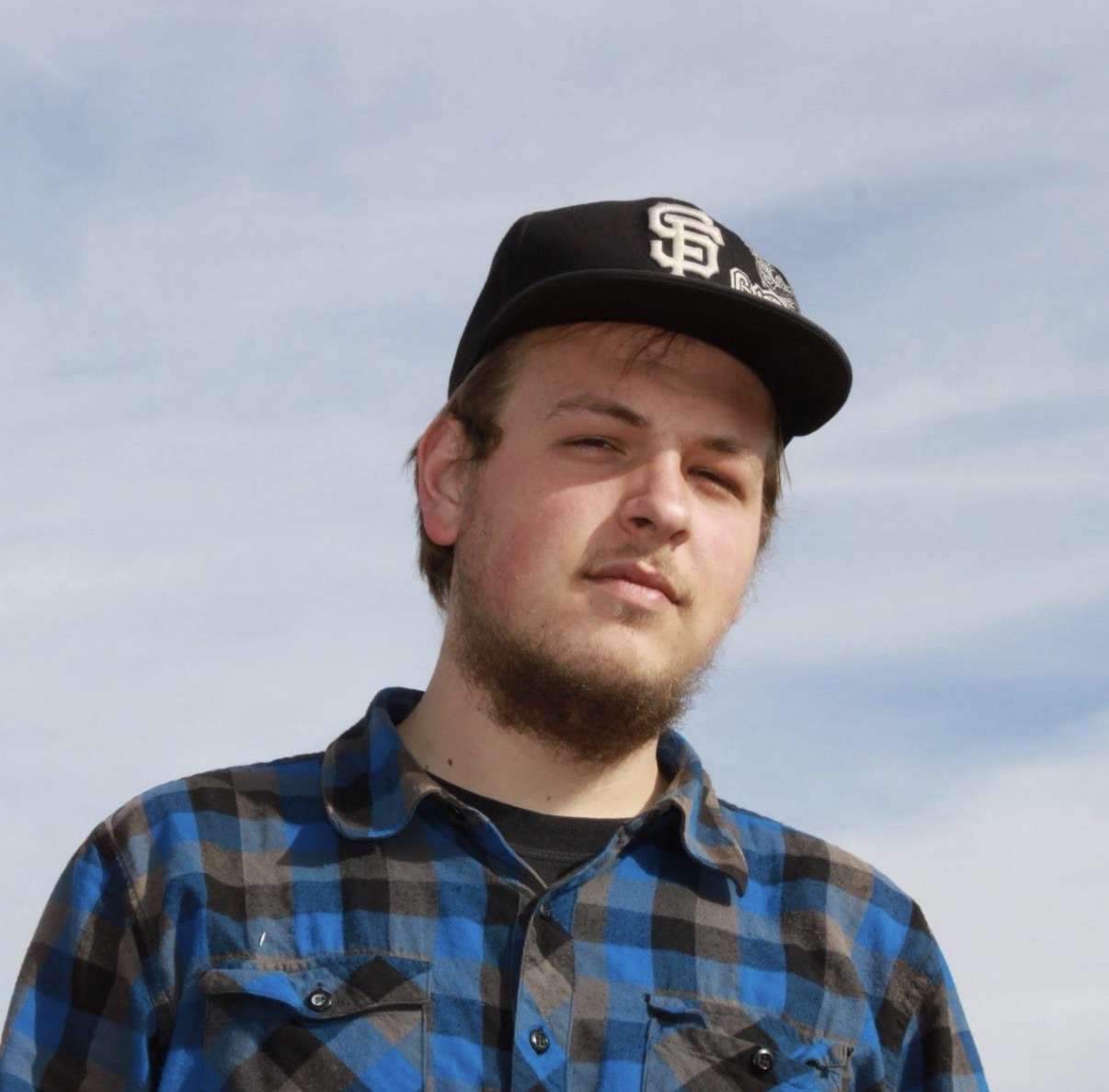
Daniel Byelich, professionally known as D. Lynch, has experienced that evolution from multiple sides.
His career has included work as a recording artist, producer, mastering engineer, A&R, independent label operator, and catalog broker.
That history has shaped a philosophy that goes beyond finding the next hit.
For Byelich, A&R is also about helping artists understand the business they are building.
From Bedroom Label to Industry Infrastructure
Byelich’s relationship with independent music began when he was a teenager.
At 16, after moving to Philadelphia, he started a DIY label from his bedroom.
He signed local artists, helped create merchandise, booked small tours, and learned firsthand how difficult it can be to create opportunities without institutional support.
That experience would become increasingly relevant as his career developed.
Independent artists often have the talent but lack infrastructure.
They may have songs but no strategy.
They may have an audience but no monetization plan.
They may have momentum but no understanding of the rights and business structures surrounding their music.
Byelich’s career has given him experience across those gaps.
A&R Has Become Bigger Than Talent Discovery
The traditional A&R model focused heavily on discovery.
Find the artist.
Sign the artist.
Develop the artist.
But the modern independent ecosystem demands a broader skill set.
A&R can now intersect with financing, distribution, branding, marketing, collaborations, ownership, publishing, catalog value, and long-term artist development.
Byelich’s work with BeatBread is an example of that expanded role.
Through the music-funding platform, he has worked with independent creators and established artists exploring financing opportunities outside traditional label structures.
Artists including OG 3Three Never Broke Again, Keak Da Sneak, and Glasses Malone have been part of that broader ecosystem.
The objective isn’t simply to get another song released.
It is to create options.
Understanding the OG 3Three Connection
OG 3Three’s story illustrates why independent infrastructure can matter.
The Baton Rouge artist and entrepreneur was one of the early architects of the Never Broke Again circle surrounding his younger brother, YoungBoy Never Broke Again.
Before NBA developed into a nationally recognized music institution, the foundation was being built within a closely connected local ecosystem.
YoungBoy’s career eventually expanded into one of the most influential success stories in modern Southern rap, while artists such as Quando Rondo and NoCap also became prominent names connected to the wider NBA ecosystem.
That evolution demonstrates something important about artist development:
Sometimes the infrastructure exists before the industry recognizes its value.
A&R professionals who understand that process can identify opportunities earlier because they are not only looking at the individual artist.
They are looking at the ecosystem around the artist.
Who are they connected to?
Who are they building with?
What community are they representing?
What infrastructure already exists?
And what could happen if that infrastructure receives the right resources?
Learning the Value of a Catalog
Byelich’s move into the catalog business was also informed by personal experience.
After selling part of his own catalog, he gained firsthand insight into the financial side of music ownership.
For artists, catalog discussions can sometimes feel abstract.
A song is something they created.
A catalog is the collection of that work.
But the business surrounding those songs can involve rights, revenue streams, valuation, financing, and long-term financial planning.
Experiencing that process personally gave Byelich another perspective.
He wasn’t learning the concept solely from the outside.
He had to understand what it meant to place a financial value on music he had helped create.
That experience now informs how he approaches artist development.
Building Artists Who Understand Their Leverage
One of the biggest challenges facing independent musicians is knowing what they actually own.
An artist can build a large audience and still misunderstand their contracts.
They can generate substantial streams without understanding where the money flows.
They can have valuable recordings without understanding how their rights contribute to long-term value.
This is where modern A&R can become more strategic.
An artist’s development should not only focus on making better songs.
It should also involve understanding the business attached to those songs.
For Byelich, the goal is not simply to help artists create another successful release.
It is to help them understand what they are building.
The Producer’s Advantage
Byelich’s production background adds another layer to that philosophy.
Producers hear records differently.
They listen to arrangement, performance, sonic identity, structure, emotion, and collaboration.
A&R professionals have to hear those things while also thinking about audience, timing, positioning, and career direction.
Byelich has spent years developing both perspectives.
That allows him to evaluate an artist without reducing the decision to numbers.
Data matters.
Streaming numbers matter.
Audience growth matters.
But none of those measurements fully explain why an artist connects with people.
Sometimes the most important quality is simply that the artist sounds like nobody else.
Independence Doesn’t Mean Doing Everything Alone
There is a misconception that independence means an artist has to handle every part of the business themselves.
The reality is almost the opposite.
Independent artists need strong teams.
They need producers.
They need engineers.
They need marketers.
They need distributors.
They need managers.
They need business advisors.
They need collaborators who understand the direction of their career.
The difference is that independent artists increasingly have the ability to choose those relationships rather than relying entirely on one institution to provide them.
That creates leverage.
And leverage changes the conversation.
A New A&R Philosophy
Byelich’s career reflects the changing definition of A&R.
His path began with a teenager trying to build a DIY label.
It moved through battle rap and independent recording.
Then came production, engineering, major collaborations, A&R, music funding, and catalog brokerage.
Each stage added another layer of understanding.
Today, that experience allows him to look at artists from multiple perspectives.
He can hear the record.
He can understand the artist.
He can evaluate the business.
He can recognize the opportunity.
And he can consider what today’s decision might mean years from now.
That may ultimately be the most valuable role of modern A&R.
Not simply asking whether a song can succeed.
But asking whether the artist is building something that can last.
Playing the Long Game
The music industry is increasingly rewarding artists who understand that a career is bigger than a single viral moment.
Songs become catalogs.
Collaborations become networks.
Audiences become communities.
Relationships become opportunities.
And independent infrastructure can become leverage.
D. Lynch’s career has developed around that philosophy.
From the bedroom DIY label of his teenage years to records involving some of the biggest names in music, his journey has been defined by learning every side of the ecosystem.
The result is an A&R approach built around more than discovery.
It is about development.
It is about relationships.
It is about ownership.
And ultimately, it is about helping artists understand the value of what they are creating.
In an industry where the next opportunity can come from anywhere, the most powerful A&R may be the person who can recognize the opportunity—and understand everything required to turn it into a career.


