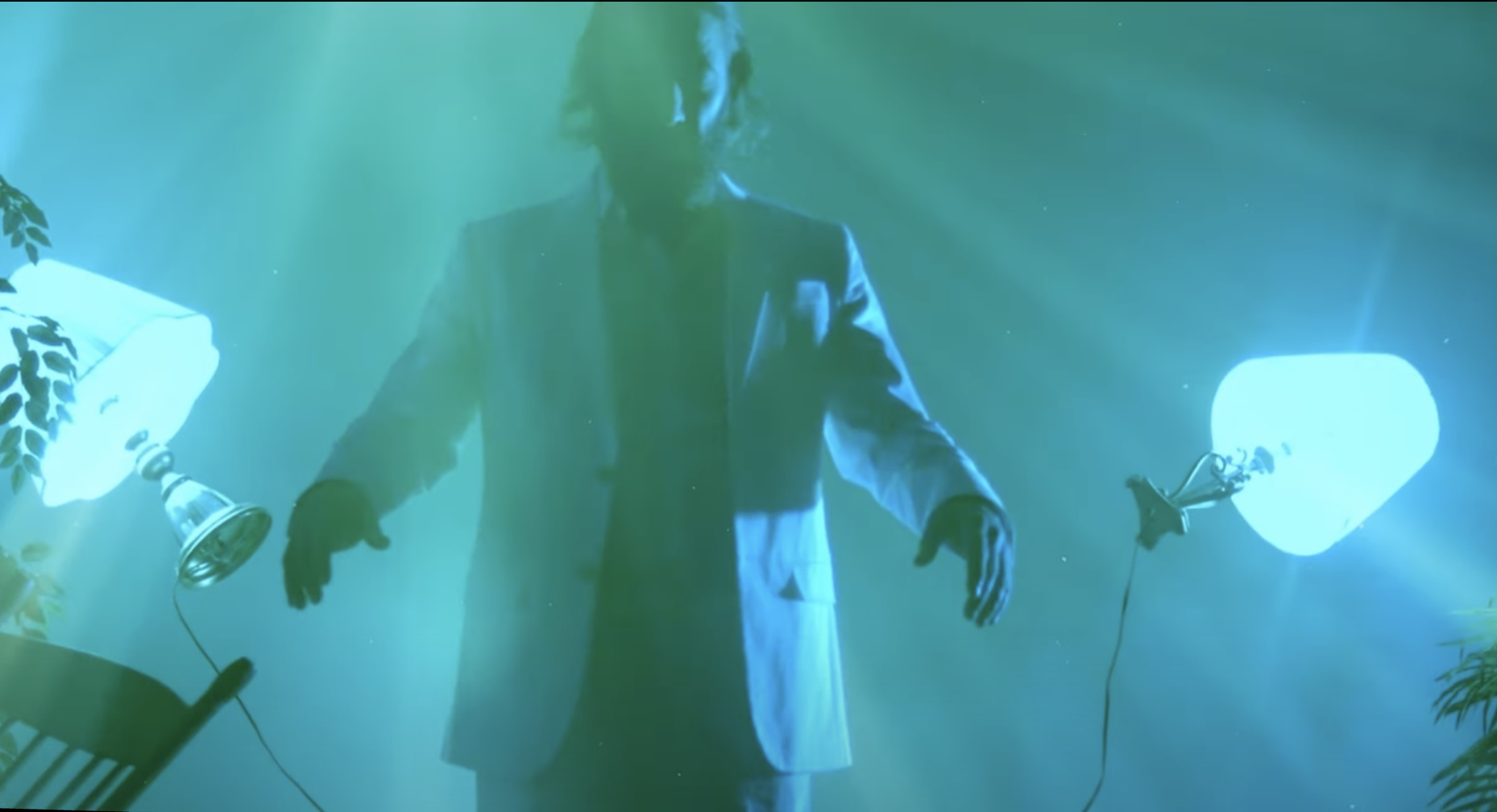

With Die Again Tomorrow, director Thor Moreno once again proves he’s a master of grit, tension, and raw visual storytelling. Slated for a summer 2025 release, the film is already lighting up the global film festival circuit with the kind of visceral energy that has become a signature of Moreno’s work. But this time, the shadows are deeper, the violence more personal, and the atmosphere absolutely suffocating.
From Schism to VOODUN, Moreno’s films have never shied away from darkness—both literally and thematically. But in Die Again Tomorrow, he leans even further into that darkness, using lighting and cinematography as powerful tools to twist the audience’s perception and pull them deeper into the nightmare. The result is a thriller that feels less like something you watch and more like something you survive.
Set in the humid underbelly of a Midwestern city, the story follows Sonny, a man looking for a way out of a life he never truly chose. His escape plan? Run off with the boss’s girl. But when their plot is uncovered, the fallout unleashes a violent spiral of betrayal and neon-soaked chaos. What begins as desperation evolves into madness, and Moreno captures every second of it in bold, unforgettable style.
Much of that impact comes down to the way the film is shot. Moreno’s team turns urban decay into high art—dimly lit motels, flickering streetlights, crimson alleyways, and interiors that glow like danger itself. Every light source in the film feels like a character: sometimes seductive, sometimes harsh, always threatening. The cinematography is oppressive in the best way possible—claustrophobic and gritty, with long shadows that seem to swallow the actors whole.
This isn’t a polished, glossed-up studio thriller. This is cinema with texture. You can almost feel the sweat, the grit, the blood. Moreno’s decision to shoot with minimal light, often letting scenes simmer in darkness, amplifies the film’s emotional weight and underscores the characters’ moral collapse. —it’s mood-building at a masterclass level.
TRAILER HERE:
Even in his earlier films, Moreno showed a unique talent for turning atmosphere into narrative. In VOODUN, he used fog and shadow to heighten supernatural dread. In Schism, it was cold palettes and stark contrasts to drive psychological unease. But in Die Again Tomorrow, the look is hot, close, and constantly on edge. This kind of film feels like it might combust at any moment—and sometimes it does.
As audiences continue to react to early screenings with stunned admiration, one thing is clear: Die Again Tomorrow is not just another gritty thriller. It’s a full-throttle, visually rich descent into chaos—and a showcase of Thor Moreno’s evolving mastery behind the camera. www.ThorMoreno.com

