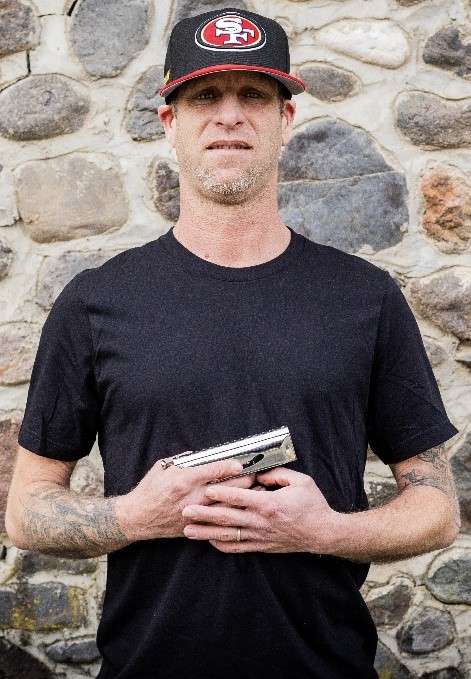

For many musicians, the spotlight shines brightest during live performances. For Jeremy Heinemann, known professionally as Junior Boogie, another equally important part of his career has unfolded inside recording studios. While audiences recognize him as an accomplished harmonica player and energetic performer, fellow musicians have come to value him for something just as significant: his ability to elevate a recording through thoughtful musicianship, creative production, and a deep understanding of American roots music.
Over the years, Junior Boogie has established himself as a trusted collaborator whose work extends well beyond harmonica. His contributions as a guitarist, songwriter, producer, arranger, and recording artist have brought him into contact with performers from a wide range of musical backgrounds. The result is a body of work that reflects versatility without sacrificing the blues foundation that has defined his career from the beginning.
Studio collaboration demands a different mindset from live performance. In front of an audience, spontaneity often drives the experience. Inside the recording studio, every detail matters. Tone, timing, arrangement, and emotion must come together to create a recording that continues to resonate long after the session has ended. Junior Boogie has demonstrated an ability to adapt to this environment, bringing both technical skill and artistic sensitivity to each project.
One of the qualities that makes him an effective collaborator is his respect for the identity of every artist he works with. Rather than dominating a recording, he approaches each session with the goal of strengthening the music itself. Sometimes that means delivering an expressive harmonica performance. On other occasions, it involves producing a track, contributing guitar parts, refining an arrangement, or helping shape a song’s overall direction.
Among his most notable recording projects was his work on Defused, the final album by the late blues vocalist Kathi McDonald. The project carried emotional significance, and Junior Boogie contributed harmonica performances to several songs, including “Smokestack Lightning,” “Cut You Loose,” and “Give Me Back My Wig.” His playing complemented McDonald’s powerful vocals while preserving the material’s traditional character. Rather than drawing attention away from the performances, his harmonica added texture, atmosphere, and emotional depth.
His work as a producer has been equally important in defining his professional reputation. Production requires balancing creative ideas with practical decision-making, ensuring that musicians, arrangements, and recordings all serve the song. Junior Boogie has embraced that responsibility across multiple projects, helping artists achieve recordings that remain authentic to their musical vision.
One example is “She Needs My Love,” recorded by Junior Toots. In addition to producing the track, Junior Boogie performed harmonica, contributing both behind the mixing console and as an instrumentalist. The project reflected his ability to combine production expertise with expressive performance, demonstrating that his influence often begins long before the final recording reaches listeners.
His collaborative work has also extended into projects outside traditional blues. Dirty Penny’s recording “Black N’ Blue” showcased another opportunity to contribute his distinctive harmonica style within a broader musical setting. By adapting his playing to fit the character of each song, he has shown that blues instrumentation can enhance music across multiple genres without losing its authenticity.
Another project highlighting his range was “Free Buju” by Khari Kill. On this recording, Junior Boogie served as producer and contributed guitar and harmonica. Managing several creative roles within a single project requires both musical versatility and an understanding of how different elements interact during production. His involvement reflected a comprehensive approach that extends beyond performing into the broader process of creating recorded music.
His production work continued with the song “Honey,” which featured acclaimed guitarist Kid Andersen. Collaborating with respected musicians requires mutual trust and professional credibility, qualities Junior Boogie has developed throughout years of recording and performance. The project demonstrated his ability to work comfortably alongside experienced artists while maintaining a clear creative direction.
Another notable production credit came with “Killin Me,” featuring Dale Ockerman of The Doobie Brothers. Bringing together musicians with established careers requires careful attention to arrangement, performance, and overall musical balance. Junior Boogie’s role as producer reflected the confidence that fellow artists place in his musical judgment and studio experience.
Although many listeners associate him primarily with blues, the range of artists he has worked alongside illustrates a broader musical perspective. His recording career includes collaborations touching blues, rock, Americana, reggae, and roots music. Rather than limiting himself to one category, he has consistently sought opportunities where his musicianship can support others’ creative visions.
This flexibility stems from an understanding that collaboration is built on listening as much as performing. Successful session musicians recognize when to take the lead and when to provide subtle support. Junior Boogie has earned respect by approaching every recording with that balance in mind, allowing each project to develop naturally while contributing meaningful musical ideas.
His collaborative philosophy also reflects the traditions of blues itself. Throughout its history, blues has grown through shared performances, recording sessions, and creative partnerships. Junior Boogie continues that tradition by working with artists across generations and musical styles, helping preserve the collaborative spirit that has long defined American roots music.
Beyond the technical aspects of recording, his work has strengthened connections within the Northern California music community. Many of his collaborations involve musicians who share a commitment to authentic songwriting and live performance. Those relationships have created opportunities for ongoing creative partnerships that continue to influence regional music.
Junior Boogie’s studio legacy is not measured by commercial trends alone but by the respect he has earned from fellow musicians and the lasting quality of the recordings he has helped create. Whether contributing harmonica to a blues classic, producing an original composition, or adding guitar to a collaborative project, he approaches every recording with professionalism and musical integrity.
As his career continues, his contributions behind the scenes remain an essential part of his story. While audiences may first discover Junior Boogie through his performances, his extensive work in recording studios reveals another dimension of his artistry. Through collaboration, production, and a commitment to serving the music above all else, Jeremy Heinemann has built a studio legacy that stands alongside his accomplishments as one of Northern California’s respected blues performers.

