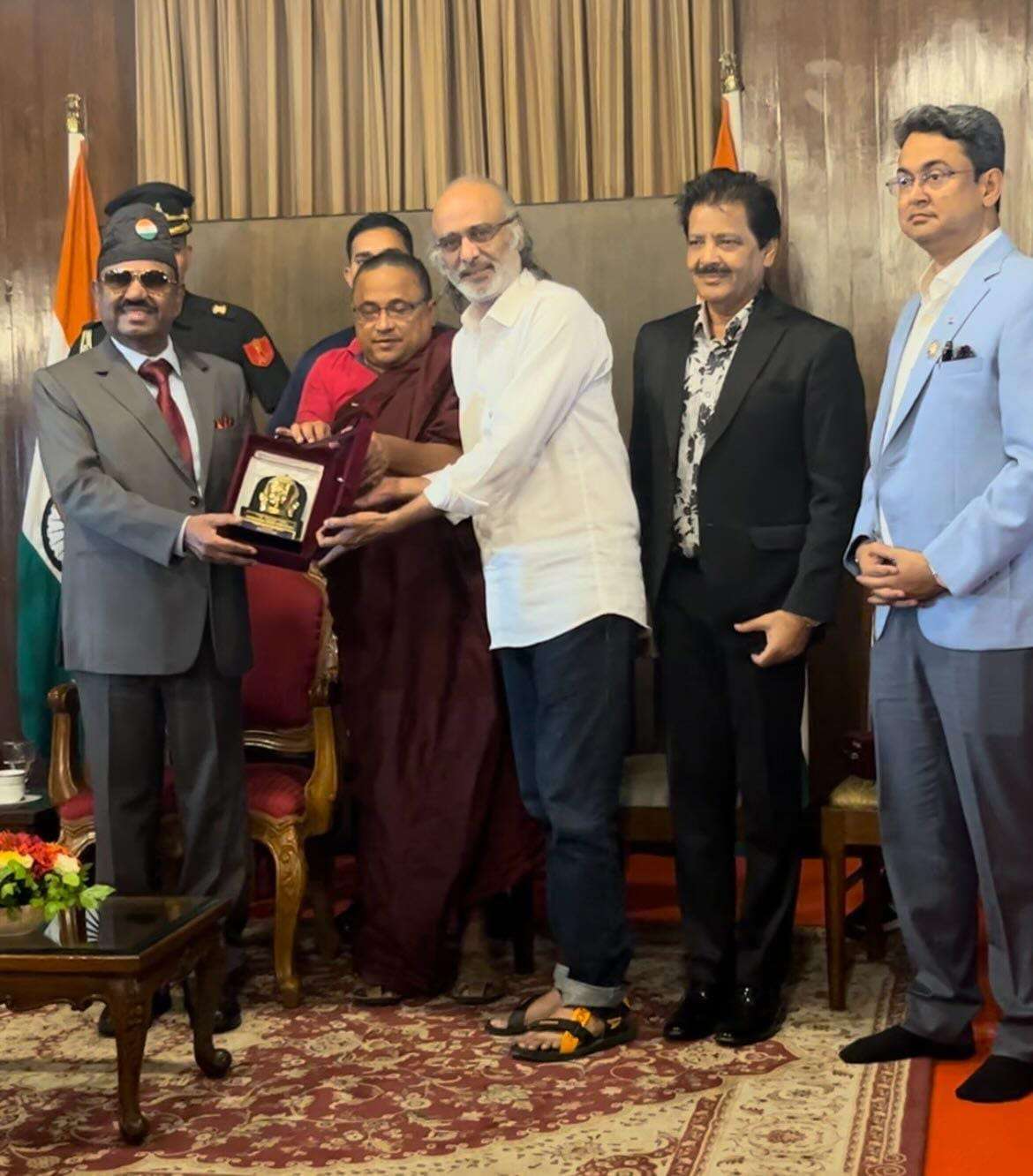

Prof Dr Mamidanna Sreedhar has pursued a professional path that bridges science, technology and medical research. Originally from Andhra Pradesh, he completed higher education in the United States and later worked in the USA and Canada as a scientist with IBM R&D Labs. His experience also included contributions to the establishment of offshore development facilities in India.
His scientific portfolio includes a number of patents from the Government of India across multiple verticals, including cancer detection. He has also written research books spanning human rights, biosciences, computer science and medical sciences.
Throughout his career, Prof Dr Sreedhar has received national and international awards from state and central ministers and governors. His recognitions include the Dr. B. R. Ambedkar Award from the Governor of West Bengal.
He currently serves as an advisor to Eastbond, Queens and Bronx super speciality hospitals that are under setup, maintaining an active connection with developments in the medical sector.
Robotic Surgery Takes Center Stage
His recent research publication, “Robotic Surgeries & Innivative Procedures,” examines the rapidly developing intersection between surgical medicine, robotics, artificial intelligence and machine learning.
The book has been released with ISBN 789374 062371 and is available through Amazon and Flipkart.
Rather than concentrating on one surgical specialty, the publication explores robotic surgery across several medical areas and examines both the technological foundations and applications of robotic assisted procedures.
Understanding Robotic Surgery Systems and Technologies
The book begins with the foundations of robotic surgery systems and technologies.
Understanding the technological infrastructure behind robotic surgery is essential to examining how these systems are incorporated into modern surgical environments. Prof Dr Sreedhar’s research brings this technological perspective together with medical applications.
The publication also explores AI and machine learning in robotic surgeries, highlighting the role of emerging computational technologies within the development of robotic surgical systems.
Artificial Intelligence and Machine Learning in Surgery
The inclusion of artificial intelligence and machine learning places the book within a rapidly developing area of medical technology research.
AI based systems and machine learning technologies are increasingly being explored across healthcare and medical research. Within the book, these technologies are examined specifically in relation to robotic surgery.
This creates a connection between Prof Dr Sreedhar’s earlier scientific and technology background and his current focus on medical research.
Robotic Assisted Surgery and Innovative Procedures
Another key subject is robotic assisted surgery.
The book examines innovative procedures in surgery while exploring how robotic systems can be incorporated into different areas of medical practice. Its approach is designed around the technology, procedures and specialties associated with robotic surgery.
The publication also moves across several major surgical disciplines.
Applications Across Multiple Medical Specialties
Prof Dr Sreedhar’s research covers robotic surgery applications in gastroenterology, urology, gynecology and cardiac surgery, among other areas.
The broad scope demonstrates how robotic surgery is being explored across different branches of medicine rather than being confined to one specialty.
By bringing these fields together, the book provides a multidisciplinary perspective on robotic assisted procedures and the technologies supporting them.
Connecting Science, Technology and Medicine
“Robotic Surgeries & Innivative Procedures” represents a natural extension of Prof Dr Sreedhar’s multidisciplinary professional background.
His experience as an IBM R&D scientist, work involving technology development in India, scientific patents and authorship across computer science and medical sciences provide a foundation for examining the relationship between advanced technology and healthcare.
The book brings those interests together through its focus on robotic surgery systems, artificial intelligence, machine learning and specialized surgical applications.
As robotic technologies continue to become an important area of medical research, Prof Dr Sreedhar’s latest publication adds to the growing body of research examining how technology can intersect with modern surgical procedures.


