Artist Amplified
From Health to Hype: Why Are Music Stars Selling Us Junk Food Instead of Better Futures?

The modern pop star used to sell rebellion.
Now they sell combo meals.
Somewhere between billion-stream records and billion-dollar branding deals, parts of the music industry quietly transformed into a giant lifestyle commercial — and fans are finally starting to notice.
Because lately, it feels like every major artist rollout comes attached to:
- a fast food collaboration
- a sugar-loaded drink
- an energy beverage
- a processed snack campaign
- or some hyper-branded corporate partnership designed more for shareholders than culture.
And the weird part?
A lot of these artists built their audiences off authenticity.
Now they’re helping market products that actively damage the same communities supporting them.
That contradiction is becoming harder to ignore.
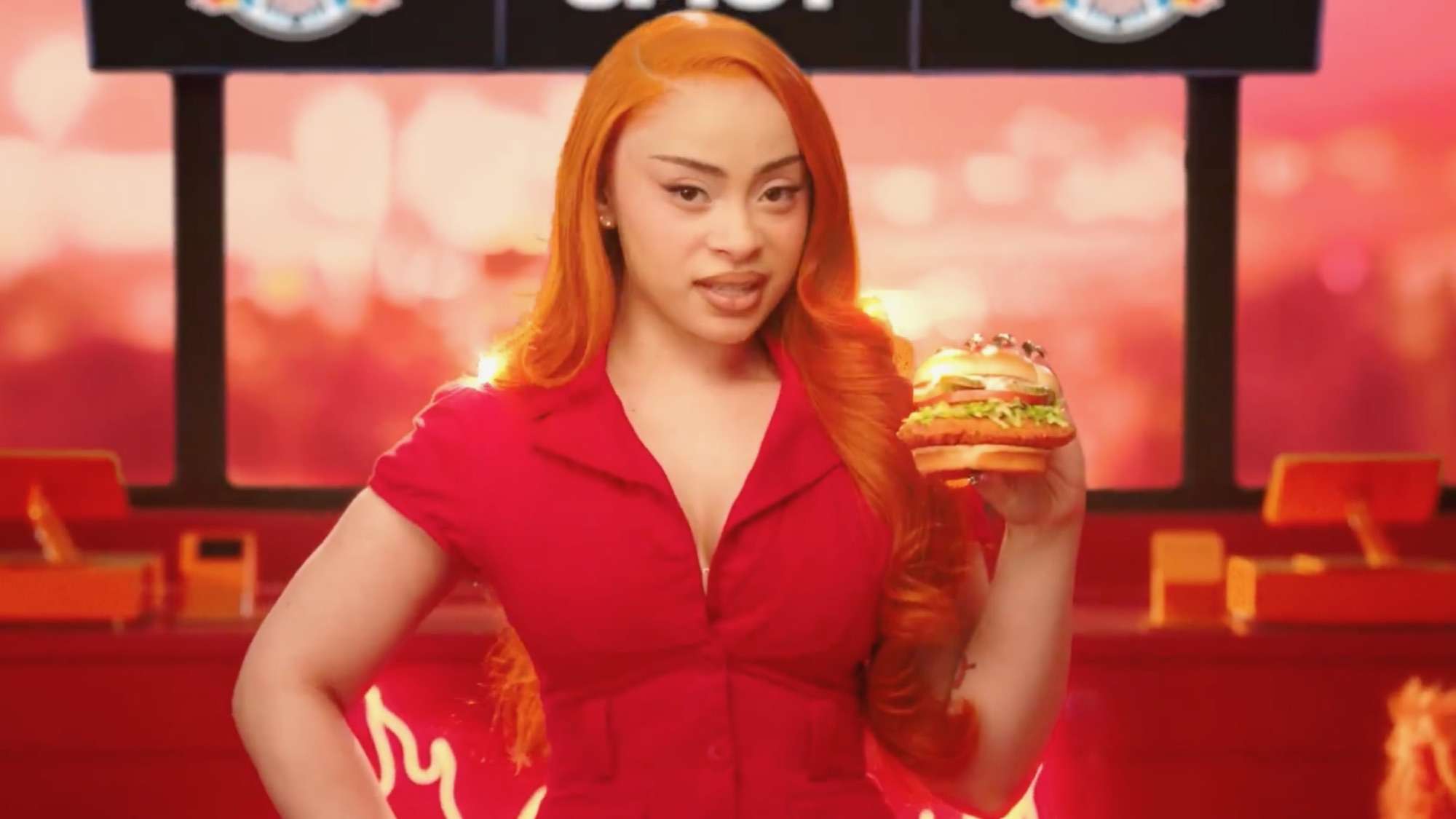
Take the growing trend of artists partnering with fast-food giants.
On paper, it makes sense. The campaigns go viral instantly. Fans rush to buy “celebrity meals.” Social media reposts the branding endlessly. Everybody wins financially.
But culturally? It raises a bigger question:
Why are some of the world’s most influential artists constantly being positioned as ambassadors for unhealthy consumerism?
An artist like Ice Spice has enough influence to shape fashion trends, slang, aesthetics, and entire online conversations overnight. So naturally, people start wondering:
What if artists with that level of cultural power also normalized wellness, creativity, mental health, fitness, or healthier lifestyles the same way they normalize processed food campaigns?
Imagine the impact if major artists made healthy living feel aspirational instead of treating it like an afterthought.
Because let’s be honest — corporations already understand the psychology perfectly.
Music artists create emotional attachment.
Brands monetize it.
That’s the formula.
And the music industry has become increasingly comfortable turning artists into walking ad placements rather than cultural leaders.
What makes this conversation interesting isn’t the existence of brand deals themselves. Artists deserve to make money. Independent musicians especially should absolutely monetize their influence however they choose.
The real issue is repetition.
When every rollout starts feeling like:
- sponsored content
- branded food tie-ins
- limited-edition meals
- corporate partnerships
- product placement disguised as personality
…the artistry itself can start feeling secondary.
Fans don’t just consume music anymore.
They consume identity.
That means artists influence more than playlists — they influence habits, aesthetics, lifestyles, and cultural priorities. Whether intentional or not, every partnership sends a message about what gets rewarded in modern celebrity culture.
And right now, corporate excess seems to be winning.
Ironically, audiences may already be shifting away from that model.
You can see it happening online:
- listeners craving authenticity again
- underground artists building cult followings without giant sponsorships
- fans romanticizing rawness over perfection
- younger audiences becoming more health-conscious and anti-corporate
The pendulum may already be swinging back.
Because eventually people start asking a dangerous question:
“If every artist is selling something… who’s actually standing for something?”
That question could define the next era of music culture more than any streaming chart ever will.


