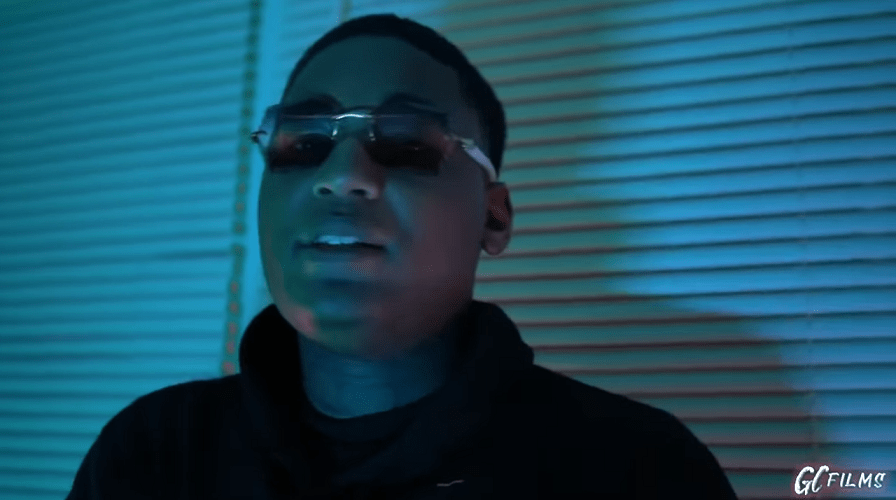

What transformed music into a hobby for me was its ability to help me convey my story. Early experiences of abuse, a fractured childhood, and repeated physical violence, including multiple shootings by my mother, shaped my reality. Threats, coercion, and fear characterized my home environment. Systemic responses mandated therapy and imposed medication, resulting in a loss of autonomy. This loss, coupled with compounded trauma from systemic interventions, eroded my privacy and created a lifelong stigma, with records widely disseminated among agencies and educational institutions.
The stigma and surveillance extended into adulthood. Reporting to authorities proved futile, as multiple reports made to police and child protection agencies resulted in inadequate or no protective measures, leaving me vulnerable. I felt unheard; instead, I was processed, medicated, and categorized. The system, which was intended to protect, became another source of harm. The lifelong consequences include a broken trust, with ongoing issues in my relationships with institutions. Persistent records have adversely affected my opportunities in housing, employment, and healthcare.
My name is Trashawn Oliver-Thomas, and the impetus to share my story through music intensified when I faced a serious health condition on March 28, 2025, at Waukesha County Jail at 4:30 AM in my cell F125. Awakening in a coma left me feeling hopeless, but I channeled those emotions into my music to articulate my feelings.
Connect:
IG: @traoliverfly
Hip-hop (also known as rap music or simply rap) is a genre of popular music that emerged in the early 1970s alongside an associated subculture in New York City. The musical style is characterized by the synthesis of a wide range of techniques, but rapping is frequent enough that it has become a defining characteristic. Other key markers of the genre are the disc jockey (DJ), turntablism, scratching, beatboxing, and instrumental tracks. Cultural interchange has always been central to the hip-hop genre: It simultaneously borrows from its social environment while commenting on it.
The hip-hop genre and culture emerged from block parties in ethnic minority neighborhoods of New York City, particularly the Bronx. DJs began expanding the instrumental breaks of popular records when they noticed how excited it would make the crowds. The extended breaks provided a platform for break dancers and rappers. These breakbeats enabled the subsequent evolution of the hip-hop style. Many of the records used were disco due to its popularity at the time. This disco-inflected music was originally known as disco rap and later described as “old-school hip-hop“.

