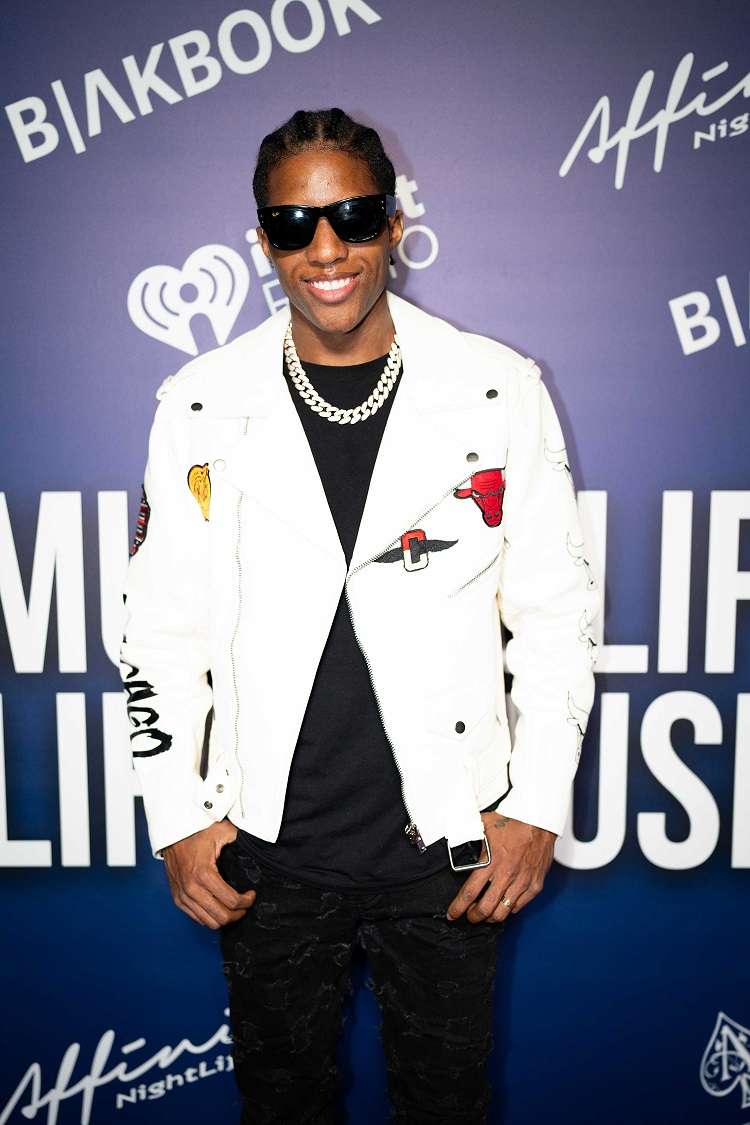

EL-JAY is a 3x Billboard-charting R&B/Pop artist, 3x award-winning performer, actor, and dancer-carving his own path as the son of platinum R&B legend Rome (“| Belong to You”).
Known for his high-energy style and smooth blend of Neo-Soul, R&B, and Pop, EL-JAY has made waves globally with his hit EP “Letter 2 Self,” led by its powerful title track. Produced by Multi Platinum Producer Achilles, Branden Woodz, and ADG. This EP marks growth and self-reflection.
His songs on TikTok have already reached over 5k plus dance videos and radio stations and college radio are already picking his records up. He will also be performing at the IGM AWARDS March 21st in Hollywood at the Directors Guild Of America, where he will be performing his new hits of his EP. You will be able to catch his performance on Tubi and Apple TV.
As an actor, EL-JAY stars in the upcoming feature film “Triumph” (which he also Executive Produced, wrote the story, and wrote the script with his partners from Hit Entertainment and Savant Entertainment).
With over 10M views across music video appearances and growing recognition on screen and stage, EL-JAY is a rising star redefining what it means to be a multi-hyphenate entertainer.
Major shout to his home record label Starz Music Group Entertainment.
Connect:
https://www.instagram.com/therealeljay
Hip-hop (also known as rap music or simply rap) is a genre of popular music that emerged in the early 1970s alongside an associated subculture in New York City. The musical style is characterized by the synthesis of a wide range of techniques, but rapping is frequent enough that it has become a defining characteristic. Other key markers of the genre are the disc jockey (DJ), turntablism, scratching, beatboxing, and instrumental tracks. Cultural interchange has always been central to the hip-hop genre; it simultaneously borrows from its social environment while commenting on it.
The hip-hop genre and culture emerged from block parties in ethnic minority neighborhoods of New York City, particularly the Bronx. DJs began expanding the instrumental breaks of popular records when they noticed how excited it would make the crowds. The extended breaks provided a platform for break dancers and rappers. These breakbeats enabled the subsequent evolution of the hip-hop style. Many of the records used were disco due to its popularity at the time. This disco-inflected music was originally known as disco rap and later described as “old-school hip-hop“.

