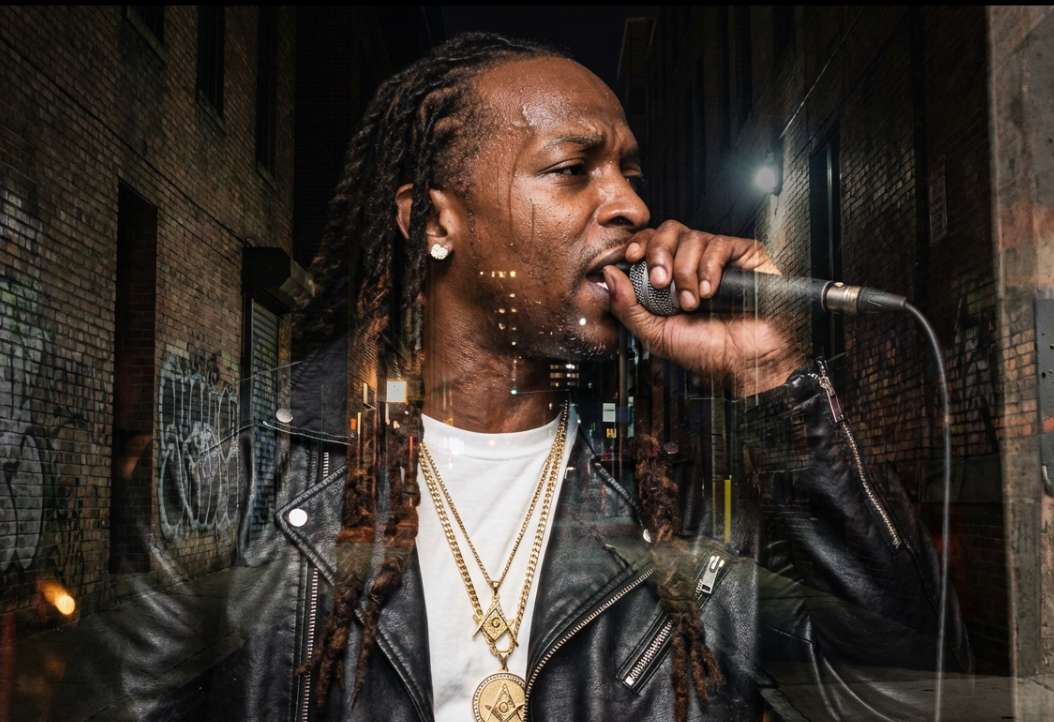

Hailing from the streets of Bridgeton, New Jersey, Trillz Tha Martian (born July 21, 1984) is a multifaceted force in the independent hip-hop scene. A true hybrid talent, he operates with a dual identity: the visionary lyricist behind the mic and the meticulous producer known as Trillz Beatz behind the boards.
As the CEO of LIORLIFE1887 Entertainment / UMG and A&R for Atlantic Records / C.O of Hotmusic365 network,
Trillz has mastered the art of the “total package.” His upcoming single, “I Am Tha Martian,” dropping February 5th on all platforms, serves as a definitive showcase of his evolution. Fusing cinematic production with raw, East Coast storytelling, the track reinforces his reputation as a sonic architect—building a sound that is both grounded in New Jersey grit and elevated by a futuristic vision.
From the boards to the booth, Trillz isn’t just making tracks; he’s engineering the future of the movement.
Connect:
IG: https://www.instagram.com/trillzthamartian1887
FB: https://www.facebook.com/TrillzBeatzThaMartian2020?
Stream:
https://distrokid.com/hyperfollow/trillzthamartian/i-am-tha-martian
Hip-hop (also known as rap music or simply rap) is a genre of popular music that emerged in the early 1970s alongside an associated subculture in the African-American and Caribbean immigrants communities of New York City. The musical style is characterized by the synthesis of a wide range of techniques, but rapping is frequent enough that it has become a defining characteristic. Other key markers of the genre are the disc jockey (DJ), turntablism, scratching, beatboxing, and instrumental tracks. Cultural interchange has always been central to the hip-hop genre; it simultaneously borrows from its social environment while commenting on it.
The hip-hop genre and culture emerged from block parties in ethnic minority neighborhoods of New York City, particularly the Bronx. DJs began expanding the instrumental breaks of popular records when they noticed how excited it would make the crowds. The extended breaks provided a platform for break dancers and rappers. These breakbeats enabled the subsequent evolution of the hip-hop style. Many of the records used were disco due to its popularity at the time. This disco-inflected music was originally known as disco rap and later described as “old-school hip-hop“.

