
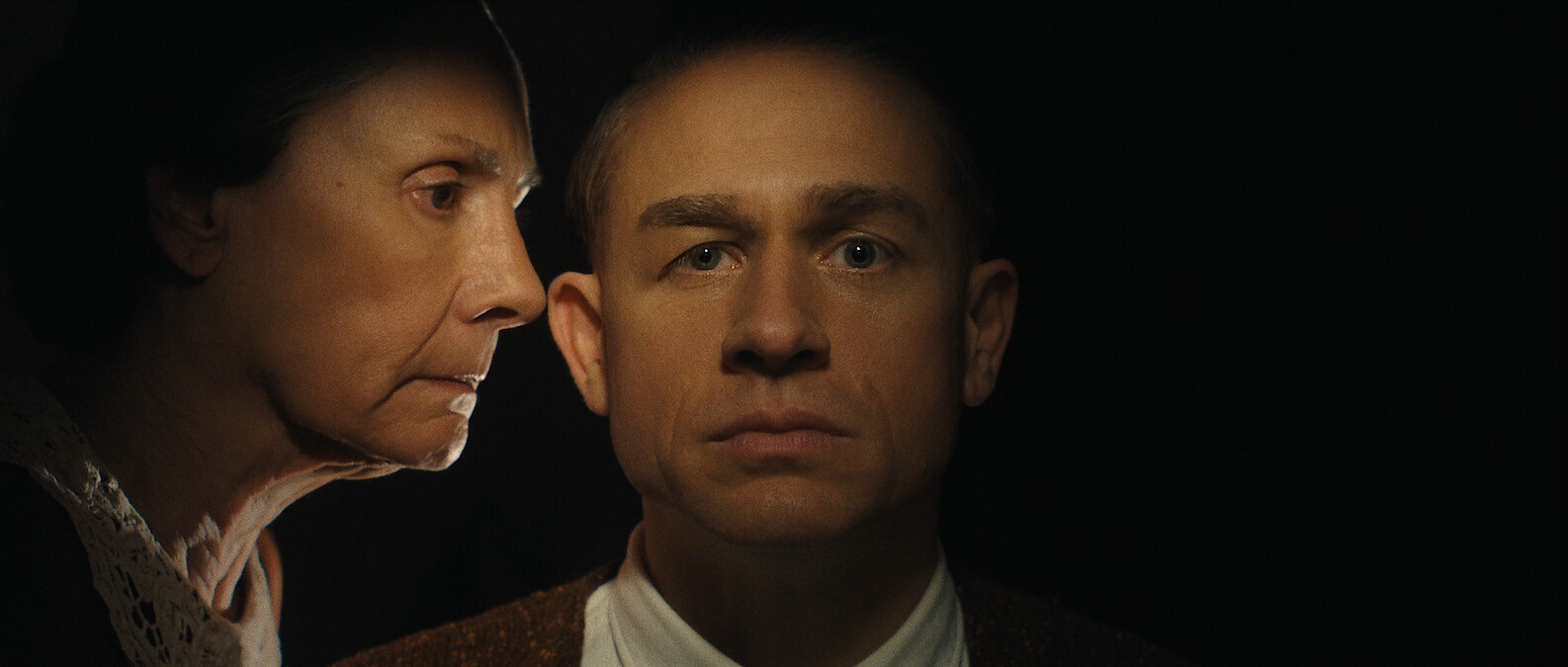

Netflix’s Monsters: The Story of Ed Gein pulls viewers into one of the most disturbing chapters of American history, peeling back the layers of a man whose real-life crimes inspired some of Hollywood’s most terrifying characters — from Psycho’s Norman Bates to The Texas Chain Saw Massacre’s Leatherface and The Silence of the Lambs’ Buffalo Bill. But this new chapter in Ryan Murphy’s anthology doesn’t just aim to shock — it seeks to understand how a lonely man from rural Wisconsin became a symbol of ultimate horror.

A Monster Born in Silence
Set against the bleak farmlands of Plainfield, Wisconsin, the story begins long before the crimes that shocked the nation. Ed Gein was raised in total isolation under the suffocating rule of his devoutly religious mother, Augusta. She taught him that women were sinful, the world was evil, and salvation lay in obedience. When she died, Ed’s world collapsed — and in that vacuum, something darker began to grow.
The series captures this transformation with haunting precision. Viewers see the slow unraveling of a man detached from reality, his grief twisting into obsession. His farmhouse becomes a physical reflection of his mind — decaying, chaotic, filled with the ghosts of his past and the grotesque artifacts of his compulsions.

The Descent Into Madness
Rather than portraying Gein as a one-dimensional killer, Monsters paints a psychological portrait of loneliness and delusion. The show chronicles how Ed’s fascination with death evolved into grave robbing and ultimately murder. What begins as ritualistic attempts to “bring his mother back” turns into something far more horrifying.
Each scene is drenched in dread — not from gore, but from the slow, creeping realization that Ed believes he’s doing something righteous. The quiet pacing, dim cinematography, and eerie stillness make every moment feel like a confession whispered through time.
When Horror Comes Home
The series reaches its chilling peak when investigators uncover the secrets hidden inside the Gein farmhouse. What they find — skulls turned into bowls, skin stitched into clothing, and rooms decorated with human remains — cements Gein’s legacy as one of the most depraved figures in American crime. But Monsters lingers on the human side of the horror: the disbelief in the officers’ eyes, the stunned silence of a town realizing the evil that lived next door.
The final episodes juxtapose Ed’s calm demeanor during interrogation with flashbacks of his crimes, forcing viewers to confront the uncomfortable truth that monsters aren’t born in shadows — they’re made in plain sight.
The Legacy of Ed Gein
Monsters: The Story of Ed Gein closes with a chilling reminder: his crimes didn’t just end in 1957. They lived on — through every horror film, every urban legend, every fascination with the “killer next door.” The show invites audiences to examine why society remains so drawn to the darkness he left behind.
It’s not merely a true-crime story — it’s a reflection on obsession, repression, and the thin line between devotion and madness. By the end, viewers aren’t just disturbed by Ed Gein — they’re unsettled by how familiar his world feels.