
While many business leaders are focused on digital transformation, AI integration, and cybersecurity investments, there’s one cost-saving opportunity hiding in plain sight: the printer.
More specifically, the cost of printing—when left unmanaged—can quietly eat into profits. From excessive paper waste and expensive toner replacements to unnecessary hardware and inefficient workflows, unmanaged printing environments can drain thousands of dollars each year from a business’s bottom line.
That’s where Managed Print Services (MPS) come in. MPS providers help companies take control of their entire print infrastructure—analyzing usage, automating supply management, consolidating devices, and improving security. The result? Lower costs, fewer headaches, and greater productivity across the board.
Here’s how Managed Print Services are delivering real, measurable savings—and why more businesses are paying attention.
Understanding the Hidden Costs of Printing
For many organizations, printing is a background process—essential, but not exactly front-of-mind. Yet unmanaged print environments are often riddled with inefficiencies. Employees print to the wrong devices. Printers go unused but still receive supplies. Toner is replaced too early. Documents are printed and forgotten. IT teams are pulled away from strategic work to fix jammed printers or troubleshoot connectivity issues.
These problems add up quickly. Studies have shown that companies can spend up to 3% of their annual revenue on printing-related costs. For a business generating $10 million in revenue, that’s $300,000 a year—much of it entirely preventable.
Without visibility into printing behavior, organizations have no idea how much they’re wasting. That’s what makes MPS so effective. It starts with a clear picture of what’s actually happening across all print devices.
Centralizing Control, Reducing Waste
Managed Print Services begin with a detailed audit of your current print environment. This includes every printer, copier, scanner, and fax machine in your office (and often across multiple locations). Providers analyze usage patterns, supply consumption, maintenance needs, and energy efficiency to identify where resources are being wasted.
Armed with this insight, the provider then makes recommendations: consolidate devices, replace energy-hungry machines, standardize supply ordering, or reroute jobs to more cost-effective printers.
One common strategy is device consolidation. Many offices have an overabundance of underused desktop printers that are costly to maintain. Replacing those with strategically placed multi-function printers (MFPs) can lower per-page costs and reduce the burden of managing multiple types of hardware and supplies.
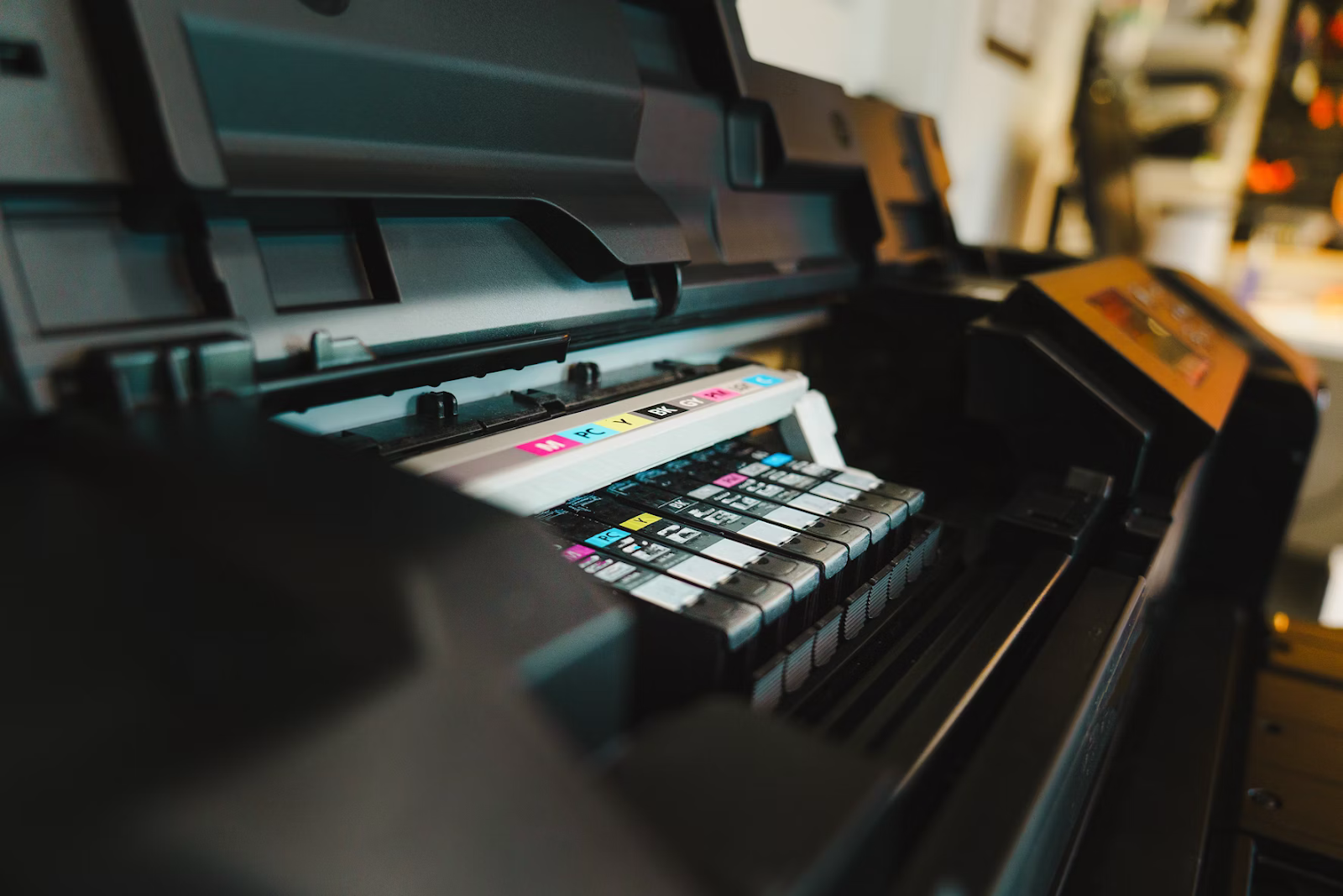
Automated supply delivery also eliminates guesswork. MPS software tracks toner levels in real time and delivers replacements only when needed—ensuring that you’re not overstocking or prematurely replacing expensive cartridges.
Freeing Up Your IT Team
In many small and mid-sized businesses, IT teams are responsible not just for networks and servers—but for troubleshooting every paper jam and toner error. These distractions take time away from higher-value projects and slow down team productivity.
With Managed Print Services, that support is offloaded to the provider. Most MPS contracts include help desk support, remote troubleshooting, and even on-site maintenance. This gives IT teams room to focus on strategic initiatives, like cybersecurity, data integration, or improving remote work capabilities.
In environments with limited IT staff, this shift can be a game-changer—turning a constant annoyance into a background function that runs smoothly, quietly, and efficiently.
Enhancing Document Security
Security is another area where unmanaged print environments create risk. It’s common for sensitive documents to be printed and left unattended in output trays. Unauthorized users may access network-connected printers. And outdated firmware can create vulnerabilities that hackers can exploit.
MPS providers help address these risks by introducing print authentication, pull printing, and encryption protocols. Employees can be required to authenticate at the printer using a PIN or badge before a document is released. Documents are held in a print queue until the user arrives, ensuring sensitive information doesn’t sit in the open.
Many providers also ensure that all print devices are updated with the latest security patches and managed under unified policies—giving businesses the same level of control over print environments as they have over laptops and servers.
In industries like healthcare, legal, and finance—where data protection is tightly regulated—these controls are not just helpful, but essential.
Supporting Sustainability Goals
In addition to saving money, Managed Print Services also help companies meet sustainability goals. By eliminating unnecessary printing, consolidating energy-efficient devices, and digitizing document workflows, businesses can significantly reduce paper and toner usage, as well as energy consumption.
MPS providers often include sustainability reporting as part of their dashboard—helping companies track reductions in paper use, CO₂ emissions, and landfill waste. For organizations with public ESG commitments or green initiatives, this level of visibility and control offers both environmental and reputational benefits.
Scalable Savings That Grow With You
One of the biggest advantages of MPS is that it scales easily. Whether you’re operating from one location or managing a hybrid workforce across dozens of sites, a managed provider can support all users and devices under one unified system.
This scalability is critical for growing businesses. Instead of buying and managing new printers every time you expand, MPS allows you to add users, locations, and devices as needed—without losing control over costs or performance.
And because Managed Print Services operate under predictable, subscription-style billing, your team can plan expenses with confidence, avoiding the budget shocks that come with emergency repairs or last-minute toner orders.
Conclusion: Quiet, Powerful, and Worth a Closer Look
While it may not grab headlines like AI or cybersecurity, Managed Print Services offer one of the most practical and overlooked ways to reduce operational costs. They bring order to chaos, visibility to blind spots, and strategy to a part of the business that’s long been treated as an afterthought.
By optimizing print environments, reducing waste, and offloading technical headaches, MPS allows businesses to redirect their energy and resources toward growth.
So if you’re looking for a quiet win that delivers real financial impact—start with your printers. You may be surprised how much they’re costing you. And how much Managed Print Services can help you save.

