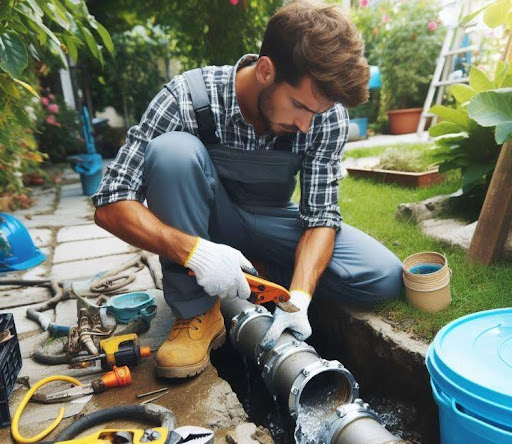

Water mains serve as the backbone of our water infrastructure, delivering clean and potable water to homes, businesses, and communities. The longevity of these plumbing pipes is crucial for ensuring reliable water supply and minimizing the need for costly repairs and replacements. In this article, we’ll explore how water mains stand the test of time, examining the factors that influence their longevity and the strategies for maintaining their integrity over the years.
Understanding Water Main Materials
Water mains are typically constructed from a variety of materials, each with its own strengths and weaknesses in terms of longevity. Common materials used for water mains include cast iron, ductile iron, PVC (polyvinyl chloride), and HDPE (high-density polyethylene). Cast iron pipes, for example, have a long history of use and can last for up to 100 years or more with proper maintenance. Ductile iron pipes offer similar longevity and are resistant to corrosion and wear. PVC and HDPE pipes are newer materials that are lightweight, flexible, and resistant to corrosion, making them ideal for use in various soil conditions. Try our services.
Factors Affecting Longevity
Several factors influence the longevity of water mains, including the material of the pipes, environmental conditions, water quality, and installation techniques. Corrosion is one of the most significant threats to the longevity of water mains, particularly for metal pipes such as cast iron and ductile iron. Soil conditions, pH levels, and the presence of corrosive substances can all accelerate the corrosion process. Additionally, poor installation practices, such as inadequate bedding and backfilling or improper joint assembly, can compromise the integrity of water mains and lead to premature failure.
Maintenance and Inspection Practices
Regular maintenance and inspection are essential for ensuring the longevity of water mains and identifying potential issues before they escalate into major problems. Routine inspections can detect signs of corrosion, leaks, cracks, and other defects that may compromise the integrity of the pipes. Additionally, proactive maintenance measures, such as flushing the system to remove sediment and debris, can help prevent clogs and blockages that can lead to reduced water flow and pressure. By implementing a comprehensive maintenance and inspection program, water utilities can extend the lifespan of their infrastructure and minimize the risk of costly repairs and replacements.
Impact of Water Quality
Water quality also plays a significant role in the longevity of water mains. Corrosive water with high levels of acidity or alkalinity can accelerate the deterioration of metal pipes, leading to corrosion and eventual failure. Similarly, water with high levels of mineral content, such as calcium and magnesium, can contribute to the formation of scale deposits inside the pipes, reducing their carrying capacity and impeding water flow. Water utilities must monitor and maintain water quality parameters within acceptable limits to protect the integrity of their infrastructure and ensure the long-term reliability of their water supply.
Innovations in Pipe Materials and Technologies
Advancements in pipe materials and technologies have contributed to improved longevity and durability of water mains. Modern materials such as PVC and HDPE offer superior resistance to corrosion, abrasion, and chemical degradation compared to traditional metal pipes. Additionally, trenchless installation methods, such as directional drilling and pipe bursting, minimize disruption to the surrounding environment and reduce the risk of damage to existing infrastructure. These innovations enable water utilities to extend the lifespan of their water mains while minimizing maintenance costs and downtime.
Environmental Considerations
Environmental factors, such as soil composition, temperature fluctuations, and seismic activity, can impact the longevity of water mains. Certain soil conditions, such as acidic or corrosive soils, can accelerate the corrosion process and compromise the integrity of the pipes. Temperature extremes can cause expansion and contraction of the pipes, leading to stress and potential failure over time. Seismic events, such as earthquakes, can also pose a threat to water mains, causing them to rupture or shift out of alignment. By considering these environmental factors during the design, installation, and maintenance of water mains, utilities can mitigate risks and ensure the long-term resilience of their infrastructure.
Predicting Lifespan: Modeling and Analysis
Water utilities often rely on predictive modeling and analysis to estimate the lifespan of their water mains accurately. These models take into account various factors, such as pipe material, soil conditions, water quality, and environmental factors, to forecast the expected lifespan of the infrastructure accurately. By using advanced data analytics and predictive algorithms, utilities can identify high-risk areas and prioritize maintenance and replacement efforts accordingly. Predictive modeling allows utilities to proactively address potential issues before they escalate into costly emergencies, saving time, money, and resources in the long run.
Asset Management Strategies: Maximizing Lifespan
Effective asset management strategies are essential for maximizing the lifespan of water mains and optimizing infrastructure performance. These strategies involve monitoring and maintaining the condition of the pipes throughout their lifecycle, from installation to retirement. Utilities employ various techniques, such as condition assessment surveys, leak detection technologies, and corrosion monitoring systems, to evaluate the health and integrity of their water mains continually. By proactively managing their assets and implementing timely maintenance and rehabilitation measures, utilities can extend the lifespan of their water mains and minimize the risk of premature failure.
Public Education and Awareness: Engaging Communities
Public education and awareness initiatives play a crucial role in preserving the lifespan of water mains by promoting responsible water usage and conservation practices. Utilities engage with the community through outreach programs, educational workshops, and informational campaigns to raise awareness about the importance of water conservation, leak detection, and reporting. By empowering residents with knowledge and tools to identify and address water-related issues proactively, utilities can reduce water waste, mitigate leaks, and prolong the lifespan of their infrastructure. Public participation and cooperation are essential for ensuring the long-term sustainability of water resources and infrastructure.
Collaborative Partnerships: Strengthening Resilience
Collaborative partnerships between water utilities, government agencies, industry stakeholders, and academic institutions play a vital role in strengthening the resilience of water mains and ensuring their long-term viability. By sharing knowledge, resources, and best practices, stakeholders can collectively address common challenges, such as aging infrastructure, water quality concerns, and climate change impacts. Collaborative research and innovation initiatives enable utilities to develop and implement cutting-edge technologies and solutions for enhancing the durability, efficiency, and sustainability of their water mains. Through collaborative efforts, utilities can overcome barriers, leverage synergies, and build a resilient water infrastructure for future generations.
The longevity of water mains is essential for ensuring reliable water supply and maintaining the integrity of our water infrastructure. By understanding the factors that influence pipe longevity and implementing proactive maintenance and inspection practices, water utilities can extend the lifespan of their water mains and minimize the risk of costly repairs and replacements. With continued innovation in pipe materials and technologies, as well as a focus on environmental considerations and water quality management, we can preserve the integrity of our water mains and ensure the continued delivery of clean and potable water to communities for generations to come.

