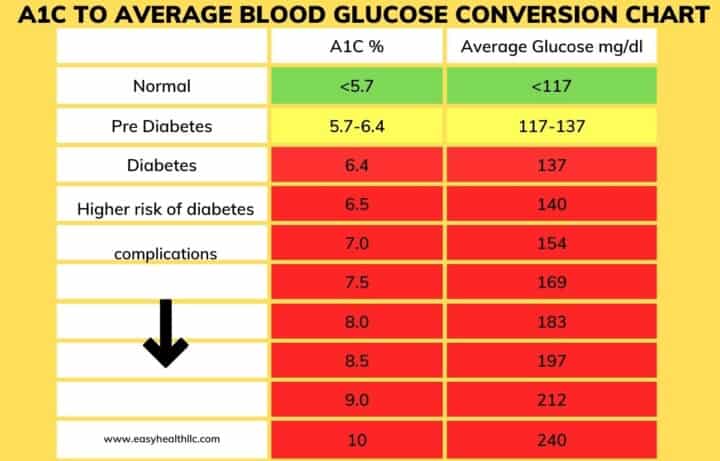

Managing blood sugar is not only about reacting to daily readings. True metabolic health depends on understanding how glucose behaves in the body over time. For individuals with diabetes, those at risk, or anyone focused on long term wellness, this broader perspective is essential. One of the most reliable indicators of long term glucose exposure is Hemoglobin A1C, and pairing this test with a well designed A1C calculator can turn complex data into meaningful insight.
Why Hemoglobin A1C Matters
When glucose circulates in the bloodstream, it naturally binds to proteins through a process called glycation. In hemoglobin, this occurs when glucose attaches to the N terminal end of the beta chain, forming an initial Schiff base that later stabilizes through an Amadori rearrangement. Once hemoglobin is glycated, it remains that way for the lifespan of the red blood cell.
Because red blood cells live for roughly two to three months, the percentage of glycated hemoglobin reflects average blood glucose levels over that entire period. This makes Hemoglobin A1C fundamentally different from daily glucose tests. It does not show a single moment. It shows a pattern.
Elevated A1C levels indicate sustained glucose exposure, which is closely associated with long term risks such as cardiovascular strain, nerve damage, kidney disease, and vision problems. Regular A1C testing allows these trends to be identified early, long before symptoms appear.
Turning Lab Results Into Understanding
While A1C is a powerful metric, many people struggle to interpret what the percentage actually means. A number like 6.8 percent can feel abstract, especially for individuals who are used to seeing glucose readings in mg per dL or mmol per L. This is where a dedicated A1C calculator becomes especially valuable.
The A1C calculator converts Hemoglobin A1C values into estimated average glucose levels using clinically recognized formulas. This translation helps users connect long term lab results with their daily glucose experiences. Instead of guessing whether habits are working, users can see how their A1C aligns with real world glucose levels.
Why the A1C Calculator Is Effective
A good health tool should reduce confusion, not add to it. The A1C Calculator does exactly that by focusing on clarity and usability.
It allows users to quickly convert between A1C and estimated average glucose in multiple units. It removes the need for manual calculations or reference charts. Most importantly, it helps users understand how consistent lifestyle choices influence glucose exposure over time.
For patients, caregivers, and even health conscious individuals without a diagnosis, this tool supports better conversations with healthcare providers. It turns test results into something actionable rather than intimidating.
Supporting Better Daily Decisions
Daily glucose checks are important, but they can miss the bigger picture. Small spikes may seem harmless in isolation, yet repeated over weeks, they contribute to higher A1C levels through ongoing glycation. Using an A1C calculator alongside regular testing helps identify whether day to day choices are adding up in the right direction.
Diet changes, exercise routines, stress management, and medication adjustments all influence long term glucose trends. The calculator provides feedback that reinforces consistency rather than perfection, helping users focus on sustainable improvement.
A Tool That Encourages Proactive Health
The real value of A1C monitoring lies in prevention. Rising A1C levels can signal early metabolic strain, even before diabetes develops. Recognizing these shifts early creates opportunities for timely intervention.
By pairing regular A1C testing with a reliable calculator, individuals gain clearer insight into their health trajectory. The A1C Calculator makes this process accessible, understandable, and practical for everyday use.
Conclusion
Hemoglobin A1C captures the biochemical story of glucose exposure through protein glycation, offering a powerful long term view of metabolic health. Interpreting that story correctly is just as important as measuring it. Tools like the A1C Calculator bridge the gap between laboratory science and daily decision making, making them an excellent resource for anyone serious about managing blood sugar and protecting long term health.

