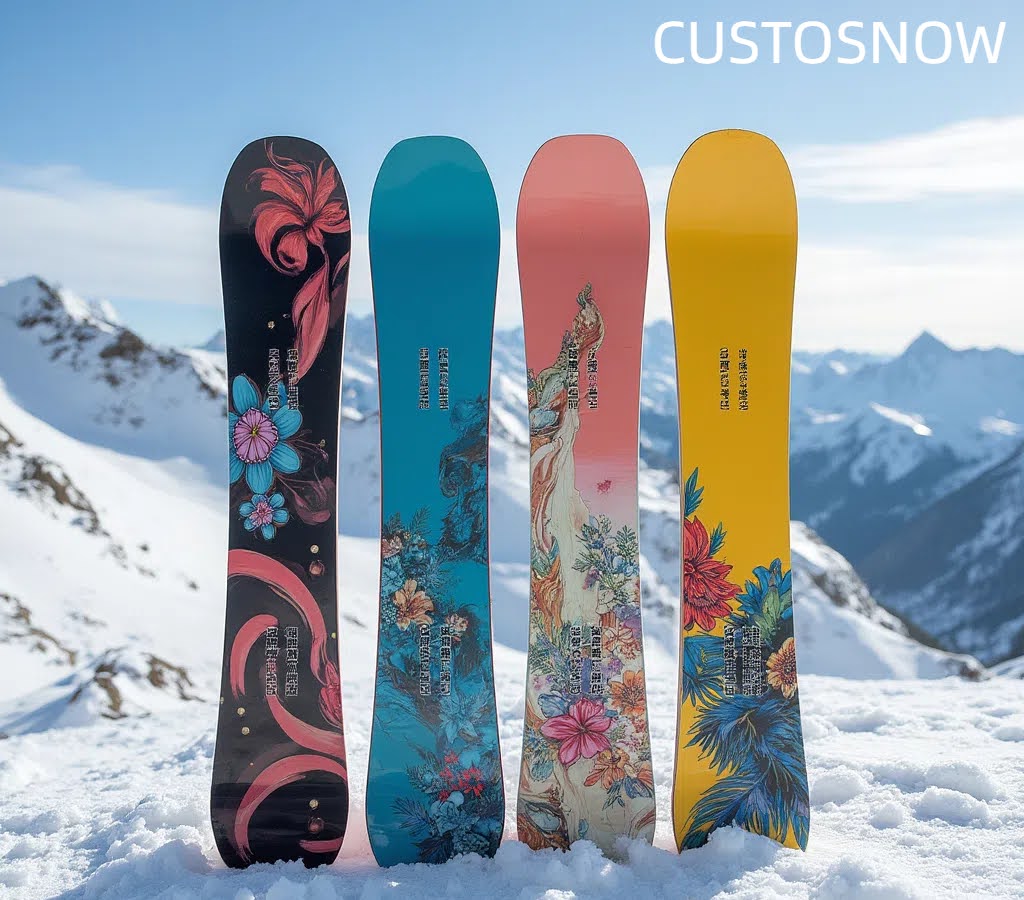

The creation of a modern snowboard represents a fascinating blend of traditional craftsmanship and cutting-edge technology. From initial design concepts to final quality control, the manufacturing process involves numerous specialized steps that directly impact performance, durability, and rider experience. This in-depth analysis examines how snowboards are made, highlighting the critical processes that transform raw materials into precision riding instruments.
Conceptualization and Design
Every snowboard begins as a concept, typically developed through collaboration between designers, engineers, and team riders. This initial phase establishes the board’s intended performance characteristics, target rider, and aesthetic direction. Computer-aided design (CAD) systems have largely replaced hand drawings, allowing for precise specification of dimensions, flex patterns, and structural elements.
The design process typically begins by identifying specific performance objectives. A board intended for park laps will prioritize different characteristics than one designed for deep powder or high-speed carving. These objectives inform fundamental decisions about shape, camber profile, flex pattern, and construction methods.
Team riders play a crucial role during this phase, providing feedback based on their experience with previous models and competitor products. Professional snowboarders like jeremy jones often work directly with engineering teams, translating their on-snow experience into technical specifications. This collaboration ensures that designs address real-world performance requirements rather than merely theoretical ideals.
Once performance parameters are established, designers create detailed specifications for every aspect of the board. These include precise dimensions, material selections, flex patterns, and structural elements like reinforcement placement. Modern CAD systems allow designers to visualize how these elements will interact and make adjustments before physical prototyping begins.
Prototyping and Testing
Before full production begins, manufacturers create prototypes for testing and refinement. These initial builds allow designers to evaluate how theoretical concepts perform in actual snow conditions and make necessary adjustments. The prototyping process has evolved significantly with technology, becoming more efficient and precise.
Early prototypes may be handcrafted using techniques similar to full production but with greater attention to detail and flexibility for modifications. These boards undergo extensive testing by development teams and professional riders, who provide detailed feedback about performance characteristics. Companies like lib tech and never summer maintain dedicated test team programs, with riders of various styles and ability levels evaluating prototypes throughout development.
Testing typically occurs during the season prior to release, often at southern hemisphere locations or glacier resorts during northern hemisphere summers. This timeline allows manufacturers to gather feedback and implement refinements before committing to full production for the upcoming season. The most successful designs from last year inform the development of new models, creating an evolutionary progression of performance.
Data collection during testing has become increasingly sophisticated, with some manufacturers using sensor-equipped prototypes to gather precise information about flex patterns, edge pressure, and performance in specific conditions. This quantitative approach complements subjective rider feedback, creating a more comprehensive understanding of how design elements affect real-world performance.
Core Construction
The core forms the foundation of a snowboard, determining its fundamental flex pattern, weight, and durability. While various materials have been used historically, most modern boards feature wood core construction, often combining multiple types of wood to achieve specific performance characteristics.
The core construction process begins with wood selection. Different species offer varying characteristics: poplar provides a good balance of weight and strength, bamboo offers excellent pop and durability, paulownia delivers exceptional lightness, while harder woods like beech or maple create stiffer, more responsive sections. By strategically combining these materials, manufacturers create cores with specific flex patterns and performance characteristics.
Once woods are selected, they are cut into strips and arranged in a predetermined pattern. This arrangement isn’t random – engineers specify exactly how different wood types should be positioned to create targeted flex patterns. Areas between the bindings typically use denser, stronger woods, while nose and tail sections often incorporate lighter species to reduce swing weight.
These wood strips are glued together using specialized waterproof adhesives, then pressed into a single laminated blank. After curing, these blanks are shaped to the board’s specific profile using computer-controlled milling machines that ensure precise dimensions. The resulting core features the board’s basic shape, including its thickness profile, which varies along the length to create specific flex characteristics.
Some manufacturers incorporate additional materials into their cores. Carbon stringers – thin strips of carbon fiber embedded within the wood – can add stiffness and responsiveness without significant weight penalties. Other reinforcement materials might include basalt fiber, Kevlar, or specialized composites, each contributing specific performance characteristics.
Fiberglass and Resin Application
Surrounding the wooden core, layers of fiberglass saturated with epoxy resin provide the snowboard’s primary structural strength. This composite construction creates a rigid yet flexible structure that transmits rider energy to the snow while withstanding the significant forces encountered during use.
Fiberglass comes in various weaves and weights, each offering different performance characteristics. Triaxial fiberglass (oriented in three directions) provides excellent torsional stiffness, while biaxial configurations (two directions) offer different flex characteristics. By selecting specific fiberglass types and orienting them precisely, manufacturers control how the board flexes both longitudinally and torsionally.
The application process begins with the base layer. A sheet of fiberglass is laid on a workbench and saturated with epoxy resin. The wooden core is placed on this wet fiberglass, then another resin-impregnated fiberglass layer is applied to the top. Additional reinforcement materials like carbon fiber or Kevlar may be strategically placed between these layers to enhance specific performance characteristics.
Traditional manufacturing used conventional epoxy resins derived from petroleum, but many companies now implement more environmentally friendly alternatives. Lib tech‘s Bio Beans resin system replaces conventional petroleum-based epoxies with plant-derived alternatives, reducing environmental impact while maintaining performance. These sustainable practices represent an important evolution in manufacturing technology.
Base Material Preparation
The base material – the surface that contacts the snow – significantly impacts a snowboard’s glide properties, durability, and maintenance requirements. Modern boards use ultra-high-molecular-weight polyethylene (UHMWPE) in either sintered or extruded forms, each offering different performance characteristics.
Sintered bases, created by compressing UHMWPE powder under heat and pressure, offer superior wax absorption and glide properties. These high-performance bases are typically found on premium models designed for experienced riders who prioritize speed and are willing to perform regular maintenance. Their porous structure holds more wax but requires more frequent attention to maintain optimal performance.
Extruded bases, formed by melting and extruding UHMWPE into sheets, provide greater durability and easier maintenance at the cost of somewhat reduced glide performance. These bases are common on entry-level and freestyle-oriented boards where impact resistance and low maintenance requirements often take precedence over maximum speed.
Base preparation begins with cutting the material to the board’s shape, including holes for inserts that will eventually hold bindings. Many manufacturers add graphics to the base through processes like die-cutting (physically cutting colored base materials and inlaying them) or sublimation printing (transferring ink directly into the base material).
Some high-performance bases incorporate additives like carbon, graphite, or fluorocarbons to enhance glide properties in specific conditions. These materials can improve performance in particular snow types or temperature ranges, creating bases optimized for specific applications like racing or deep powder riding.
Edge Installation
Metal edges provide the grip necessary for turning and stopping on firm snow surfaces. Typically made from hardened steel, these edges must be precisely installed to ensure consistent performance and durability.
The edge installation process begins with cutting steel strips to the exact length required for the board’s perimeter. These strips are then bent to match the board’s outline shape, including the nose and tail curves. Precision is crucial here – any irregularities in edge placement can create performance issues like catching or skidding during turns.
Edges are typically embedded into the base material, creating a flush surface that will eventually contact the snow. They’re secured in place with specialized adhesives before the entire assembly enters the pressing process. Some manufacturers like lib tech implement serrated edge designs like Magne-Traction, which adds multiple contact points along otherwise conventional edges to enhance grip on icy surfaces.
The quality of edge installation directly impacts a board’s edge hold capabilities, particularly in challenging conditions like ice or hard-packed snow. Premium manufacturers implement rigorous quality control during this phase, ensuring precise placement and secure bonding that will withstand the significant forces encountered during carving turns.
Pressing Process
The pressing process represents one of the most critical manufacturing phases, where all components are fused together under heat and pressure to create a single unified structure. This process determines the board’s final shape, including its camber profile – the longitudinal curvature that significantly impacts performance characteristics.
Modern snowboard presses are sophisticated machines that apply precisely controlled heat and pressure according to specifications for each model. The board components – base with edges, fiberglass layers, core, and top sheet – are placed into a mold that defines the final shape. This assembly is then compressed under substantial pressure (typically several tons) while heat activates the epoxy resin, creating chemical bonds between components.
The pressing process determines several crucial characteristics. The board’s camber profile – whether traditional camber, reverse camber (rocker), or a hybrid camber combination – is established during pressing. Similarly, the mold defines the board’s sidecut radius, which determines how it initiates and completes turns. These fundamental characteristics cannot be modified after pressing, making this stage particularly critical to performance.
Pressing typically takes between 10-30 minutes depending on the specific materials and resins used. Temperature and pressure must be precisely controlled throughout this process – too much heat can damage materials, while insufficient pressure might create weak bonds or air pockets between layers. The most advanced manufacturing facilities use computer-controlled systems to ensure consistent results across production runs.
After pressing, boards require a cooling period before they can be removed from the molds. This cooling must occur under controlled conditions to prevent warping or internal stress that could compromise performance or durability. Once adequately cooled, the board emerges as a unified structure ready for finishing operations.
Finishing Operations
After pressing, snowboards undergo several finishing operations that prepare them for use. These processes transform the raw pressed board into a refined final product with the performance characteristics and aesthetic appearance specified in the original design.
The first finishing step typically involves trimming excess material from the board’s perimeter using specialized cutting tools or CNC machines. This process establishes the board’s final outline shape and dimensions. Precision is crucial here, as even small deviations can affect performance characteristics like turn initiation and completion.
Edge finishing follows, with specialized machines grinding the metal edges to precise angles. Most boards feature base edges beveled at 1-2 degrees to reduce catching, while side edges typically receive a 90-degree angle for optimal grip during turns. High-performance boards might receive additional edge treatments like stone grinding patterns that enhance performance in specific snow conditions.
Base grinding establishes the final structure of the riding surface. Various patterns can be applied, from simple cross-hatching for all-around performance to specialized structures optimized for specific snow conditions. These microscopic patterns help channel water away from the base during riding, reducing suction and improving glide. Different snow temperatures and moisture contents benefit from different base structures, with some manufacturers offering region-specific grinds.
Sidewall finishing smooths the board’s edges where the top sheet meets the metal edge, preventing damage during use while creating a visually refined appearance. This process typically involves careful sanding and polishing to create smooth transitions between materials without compromising structural integrity.
Insert and Binding Interface Installation
Modern snowboards feature inserts – threaded metal pieces embedded within the board’s structure – that allow for binding attachment. The precise placement of these inserts significantly impacts riding experience by determining stance options and binding security.
Insert installation typically occurs during the core preparation phase, with metal pieces precisely positioned before pressing. After pressing, these inserts may require additional processing to ensure threads are clean and properly aligned for binding screws. Quality control during this phase is crucial, as improperly installed inserts can pull out during use, potentially causing injury.
Different manufacturers implement various binding interface systems. Traditional insert patterns feature multiple holes allowing for stance width and angle adjustments. Burton’s Channel system replaces conventional inserts with continuous tracks that allow infinite stance adjustment. This proprietary system represents one of the industry’s most distinctive technologies, offering unmatched customization options while reducing weight and enhancing board feel.
The positioning of inserts directly affects how a board performs. Stance width, setback (the difference between nose and tail length), and binding angles all influence turning dynamics and stability. Boards designed for deep powder typically feature setback stances that place the rider’s weight toward the tail, helping the nose float in untracked snow. Freestyle-oriented boards often use centered stances that perform identically in either direction, facilitating switch riding.
Graphic Application and Top Sheet Finishing
The top sheet provides both protection for internal components and the board’s visual aesthetic. Modern manufacturing offers various approaches to graphic application, each with different visual and performance characteristics.
Traditional top sheets use printed graphics on sheets of materials like nylon, polyester, or biobased materials. These sheets are applied during the pressing process, bonding to the underlying fiberglass layer. Digital printing technologies have revolutionized this process, allowing for photorealistic graphics and small production runs with unique designs – particularly valuable for limited editions or personalized snowboard options.
Some manufacturers use sublimation printing, which infuses ink directly into the top sheet material rather than printing on its surface. This approach creates more durable graphics that resist scratching and UV fading, maintaining their appearance longer under harsh mountain conditions. Companies like Custosnow snowboards leverage this technology to offer custom graphic options without compromising durability.
Alternative approaches include wood veneer top sheets, which use thin slices of real wood protected by clear coatings. These natural materials create distinctive aesthetics while potentially reducing environmental impact compared to synthetic alternatives. Arbor Snowboards has built much of their brand identity around this approach, using sustainably harvested wood veneers that create unique grain patterns on each board.
After graphic application, top sheets receive protective treatments to enhance durability and resistance to impacts, UV exposure, and moisture. These treatments typically include clear coatings that protect the graphics while providing the finished surface that riders will see and touch.
Quality Control and Testing
Before reaching consumers, finished snowboards undergo comprehensive quality control processes that verify performance characteristics and identify any manufacturing defects. These procedures vary between manufacturers but typically include both visual inspections and performance testing.
Visual inspection examines every aspect of the finished board, from edge alignment and base flatness to graphic quality and insert placement. Trained technicians look for any irregularities that might compromise performance or durability, using both visual assessment and precision measuring tools to verify adherence to design specifications.
Physical testing evaluates performance characteristics like flex pattern, torsional stiffness, and structural integrity. Some manufacturers use standardized mechanical tests that apply specific forces to boards and measure their response, ensuring consistency across production runs. Others implement more subjective evaluations, with experienced staff physically manipulating boards to assess flex characteristics.
The most comprehensive quality control programs include on-snow testing of production samples. Companies like never summer regularly pull boards from production lines for testing in actual riding conditions, verifying that manufactured products deliver the intended performance characteristics. This approach helps identify any discrepancies between design specifications and real-world performance before products reach consumers.
Boards that pass quality control receive final preparation for shipping, including waxing, binding mounting instructions, and packaging. Many manufacturers apply a factory wax coat that protects the base during shipping and provides initial glide performance for consumers. This final step transforms the manufactured product into a ready-to-ride tool that will eventually connect riders with snow.
Small-Batch vs. Mass Production Approaches
The snowboard industry encompasses manufacturing approaches ranging from large-scale production facilities to small workshops producing limited quantities with extensive handcrafting. These different methodologies create distinct products with their own advantages and characteristics.
Large-scale manufacturers like Burton operate sophisticated production facilities with highly automated processes. Their Craig’s prototype facility in Vermont represents one of the industry’s most advanced operations, with computer-controlled cutting and pressing operations ensuring precise adherence to design specifications. This approach creates remarkable consistency between individual boards, with minimal variation in flex pattern or other performance characteristics.
Mid-sized operations like lib tech‘s Mervin Manufacturing facility in Washington State balance automation with handcrafting. Their approach includes significant human oversight throughout the production process, with experienced craftspeople evaluating boards at multiple stages. This methodology creates slight variations between individual boards but ensures that each meets their performance standards.
Small-batch producers like Weston and Venture emphasize handcrafted quality and attention to detail over production volume. These companies typically produce limited quantities with exceptional quality control, creating premium products for discerning consumers. Their manufacturing processes often involve more handwork and individual attention, potentially creating subtle performance advantages through more precise material selection and assembly.
The distinction between these approaches extends beyond mere production volume to encompass fundamental philosophy about what constitutes quality. Mass production emphasizes consistency and accessibility, while small-batch manufacturing prioritizes individual attention and craftsmanship. Both approaches create high-quality products, but with different characteristics that may appeal to different consumer segments.
The Future of Snowboard Manufacturing
As we look toward the future, several emerging technologies promise to transform snowboard manufacturing. Advanced automation, new materials, and innovative production techniques may significantly change how boards are designed and produced.
3D printing technology, while currently limited to accessories and components, shows promise for eventually producing major structural elements with precisely tailored performance characteristics. This approach could potentially enable mass customization at scale, with boards designed specifically for individual riders without prohibitive cost premiums.
Advanced composite materials continue to evolve, offering new possibilities for weight reduction and performance enhancement. From carbon nanotube reinforcements to bio-based resins and fibers, these materials may eventually replace traditional components while reducing environmental impact and enhancing performance.
Sustainability will increasingly influence manufacturing decisions, with consumers demanding more environmentally responsible practices and materials. From renewable energy powering production facilities to biodegradable components and circular design approaches, the most forward-thinking manufacturers are already implementing comprehensive sustainability initiatives that will likely become industry standards.
Digital integration may transform how boards are designed and tested, with sensor-equipped prototypes providing unprecedented data about performance characteristics. This approach could accelerate development cycles while creating more precisely optimized designs based on quantifiable metrics rather than subjective impressions.
The manufacturing processes that transform raw materials into finished snowboards represent a fascinating blend of traditional craftsmanship and cutting-edge technology. From initial concept to final quality control, each step directly impacts how the finished product will perform on snow. Understanding these processes provides valuable context for appreciating the remarkable tools that connect riders with winter environments and enable the unique experiences that define snowboarding.

