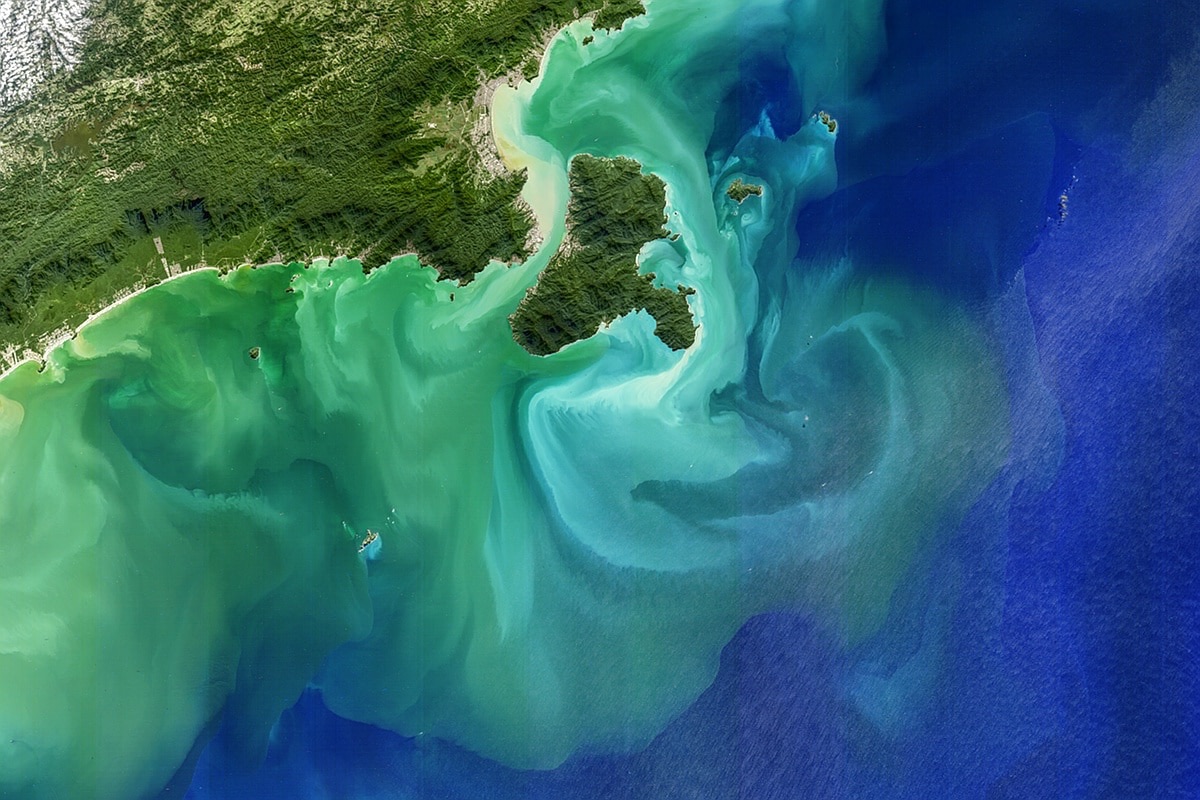

The ocean, often called Earth’s last frontier, is an enigma of swirling depths and vibrant ecosystems. However, recent observations reveal that this vast body of water is undergoing a dramatic transformation in its color spectrum. The culprit? Human-induced climate change, which is significantly altering the balance of phytoplankton populations.
Understanding Phytoplankton: The Ocean’s Microscopic Marvels
Phytoplankton are microscopic organisms that dwell in the sunlit layers of oceans, seas, and freshwater bodies. They are the foundation of the aquatic food web, performing the essential function of photosynthesis – converting sunlight into energy and producing approximately half of the world’s oxygen.
Different species of phytoplankton possess distinctive pigments, which can affect the color of the water. For instance, chlorophyll, the green pigment in many phytoplankton, can give the ocean a greenish hue, while others might lean towards blues or reds.
Climate Change and Shifts in Phytoplankton Populations
Human-induced climate change is causing the Earth’s temperatures to rise, leading to profound changes in marine ecosystems. As ocean temperatures increase, the delicate balance of conditions that support various species of phytoplankton is disrupted.
Warmer waters can favor certain species of phytoplankton over others, leading to shifts in populations. Some species thrive while others diminish, directly affecting the coloration of the ocean. This is because each species absorbs and reflects light differently due to their unique pigments.
The Visible Changes: A Kaleidoscope of Consequences
The changes in phytoplankton populations manifest visibly in the oceans’ colors. Where waters were once a consistent blue, we now see patches of green, red, and even brown. These color changes not only signal shifts in the types of phytoplankton but also indicate broader ecological impacts.
- Green Hues: Increased chlorophyll from certain phytoplankton species can make waters greener. While this might seem harmless, it often indicates an imbalance that could affect the entire marine food web.
- Red and Brown Spots: Some of the most dramatic changes occur with the proliferation of red and brown algae species, which can lead to harmful algal blooms. These blooms not only change the water’s color but also produce toxins that negatively impact marine life and human health.
Broader Ecological and Environmental Impacts
The shifting balance of phytoplankton has extensive repercussions. Phytoplankton are crucial for carbon sequestration, meaning changes in their populations can affect global carbon cycles and, consequently, climate regulation.
Additionally, the health of fish populations, marine mammals, and seabirds is intricately linked to the availability and type of phytoplankton. Any significant alteration can ripple through the food web, impacting species survival and biodiversity.
A Call to Action
The changing colors of our oceans serve as a visible reminder of the hidden impacts of climate change. Addressing this issue requires urgent global action to reduce carbon emissions, mitigate climate change, and protect marine ecosystems. By understanding and responding to these changes, we can help preserve the intricate balance of our oceans for future generations.
Understanding that the ocean’s colors are more than just a visual treat can help us appreciate the intricate and vulnerable beauty of marine ecosystems, driving us towards more sustainable environmental practices.

